Key Takeaways
- Android SMS gateway dual SIM is operator diversity on one chassis: two ICCIDs, one modem complex, two airtime ledgers.
- Set and re-verify the default SMS SIM after every OEM update. Silent tray swaps are a classic outage.
- OTP vs bulk on two trays is better than one SIM — worse than two phones if you need parallel send.
- deviceIds route across paired handsets. Slot choice is a device setting. Confirm live API fields in Developer Center; do not invent simSlot.
- Service pricing is based on device count and total SMS sent through the gateway. You need a working Android phone with a SIM and SMS credit from your mobile operator. Operator message costs are yours—we do not sell carrier SMS balance.
- A backup SIM on zero balance is decoration.
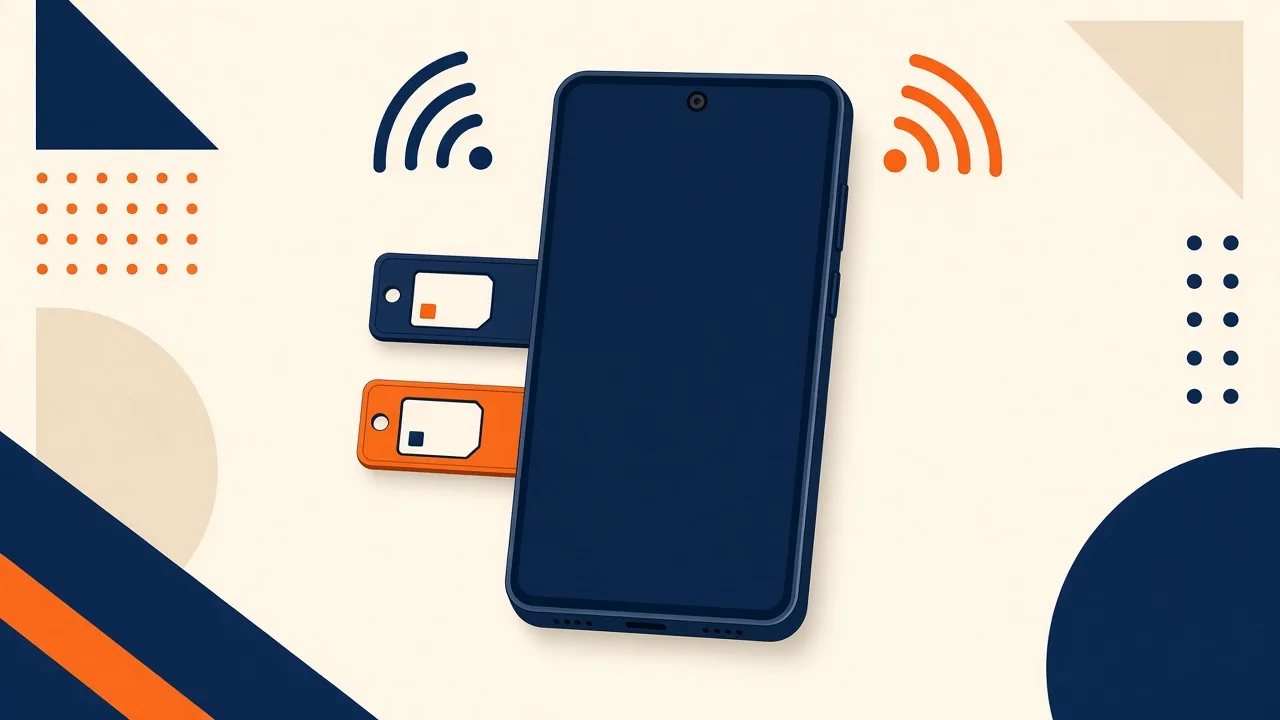
Search for android sms gateway dual sim is a hardware question wearing API clothes. You want two operators in one plastic shell: failover, a cheap prepaid backup, or a clumsy OTP/bulk split. Hub A owns that story. The send contract still pins fleets with deviceIds. Slot selection lives on the handset. Live fields: SMS API documentation.
Product pillar: multi-device and dual SIM. Service pricing is based on device count and total SMS sent through the gateway. Two SIMs do not include two free airtime pools.
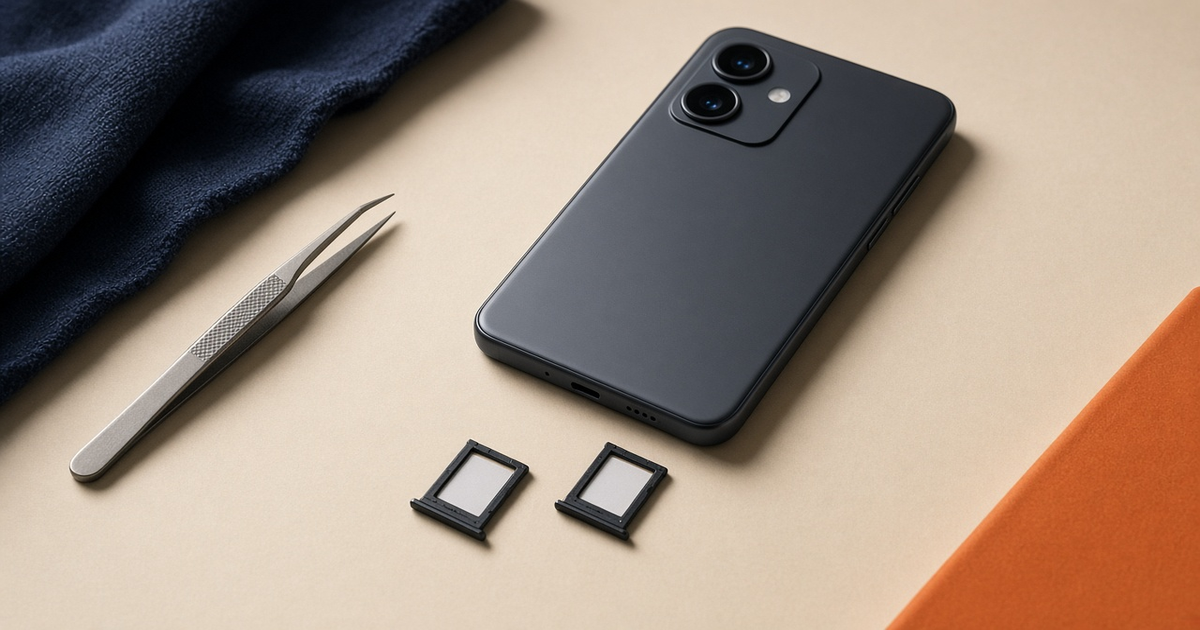
Dual SIM is a labelled bag of ICCIDs. If the labels live only in someone’s head, you do not have dual SIM. You have a mystery sender.
What dual SIM actually buys
Two subscriptions: two MSISDNs, two spam reputations, two fair-use counters. AOSP’s dual-SIM notes are useful context for the modem, not a promise of parallel TPS: Android dual SIM. Wi-Fi for the control plane still beats using the data slot as the only path to the API.
Default SMS subscription
Android Settings → SIMs → SMS. The gateway app follows what the OS exposes. After a Samsung or Xiaomi update, that default often flips. Your OTP starts leaving from the promo tray. Canary the sender MSISDN weekly. Write the setting in the runbook next to the ICCID last-four.
Honest layouts
| Layout | Slot A | Slot B | Risk |
|---|---|---|---|
| Primary / spare operator | Postpaid, default SMS | Prepaid, disabled until drill | Forgetting to fund B |
| OTP / promo split | Quiet login MSISDN | Campaign SIM + STOP | Shared heat and OEM limits |
| Home / travel | Domestic | Roaming, off until trip | Data slot stealing HTTPS |
| Give up and buy phones | Dedicated OTP handset | Dedicated bulk handset | None of the above, on purpose |
Not two SMSCs
Load-test each tray. If slot B only adds 10% SMS/min, you bought diversity, not capacity. The API dual-SIM spoke covers not inventing parameters. Here: do not publish a dual-SIM SLA that assumes overlapping send.
Label ICCIDs
Tape on the back. Panel nicknames that match the tape. History filtered by nickname. Support cannot debug “the dual phone.” Recharge calendars per operator. Treat a spend cap on postpaid like prepaid hitting zero.
When to add a second phone
Parallel OTP during a sale. Surviving a smashed screen. Isolating a 20k-row campaign. Device count is what the plan meters — pricing. Dual SIM stays useful as a cheap second operator on the OTP shelf unit.
Checklist
- Default SMS SIM named and re-checked after OEM updates.
- ICCID last-four on tape and in the panel.
- Both SIMs funded.
- Canary proves which MSISDN sent.
- OTP not sharing a noisy tray unless you accept it.
- Failover drilled, not assumed.
Next steps
Pair from downloads, then decide if the second tray is enough or you need another device.
Related product pages
Jump to the live product docs for this topic—not another long-form article.
- multi-device and dual SIM routingCapacity and failover
- device and SMS volume pricingPlans and allowances
- Android SMS gateway product guideDefinition, product, and how to buy
- SMS API documentationLive endpoint reference