Key Takeaways
- Dual SIM routing picks which operator tray sends. It does not add a second battery, a second pairing session, or independent OEM policy.
- Write slot maps as MSISDN + class (OTP vs bulk), not “left tray.” Reboots and tray swaps invalidate folklore.
- If OTP and campaigns must fail independently, buy a second Android. Dual SIM shares power and Doze.
- Confirm the live slot field in Developer Center. This page is the routing policy, not a second OpenAPI.
- Priced by devices and SMS send volume. You use your own phone and operator SMS credit. Two SIMs mean two operator airtime ledgers on one device meter.
Dual SIM is not a second gateway
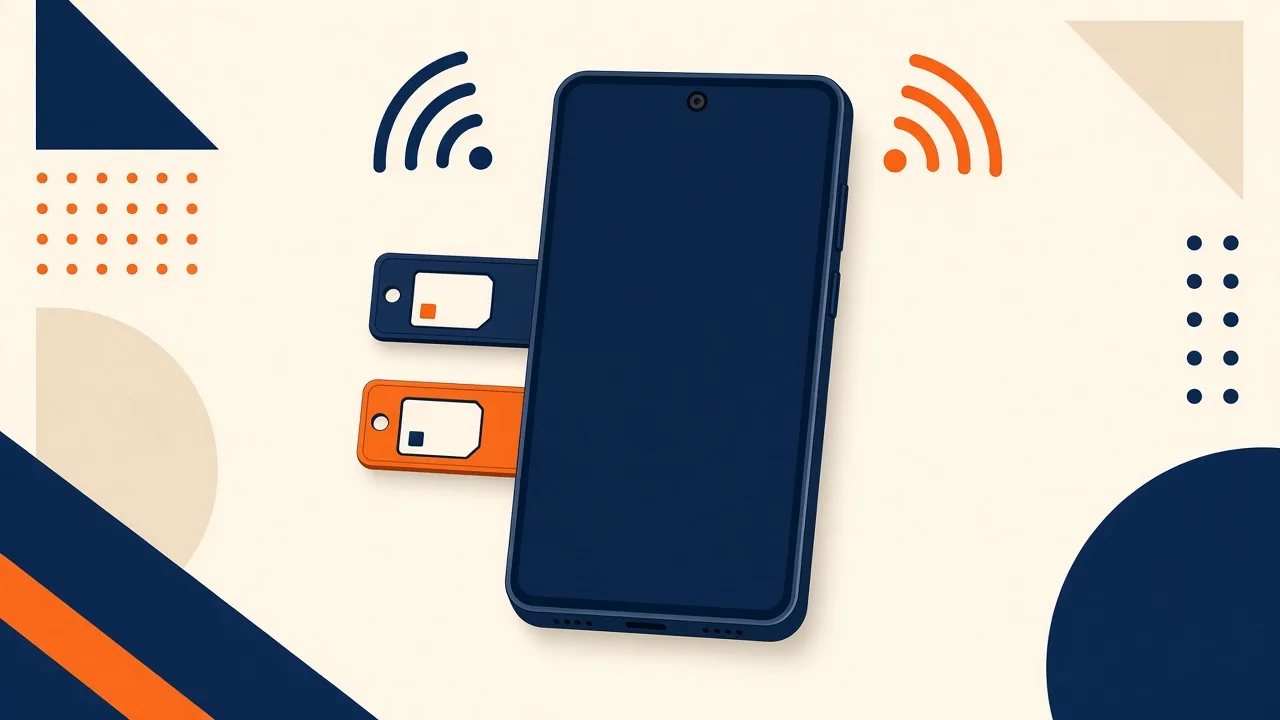
Searchers want android sms gateway dual sim routing to mean “two operators, automatic failover, twice the speed.” On a handset it means: the app asks the modem which subscription id should submit this PDU. Power, OEM battery policy, and pairing are still singular. The pillar is multi-device and dual SIM routing. Multi-device API pinning is a different spoke. This one is tray policy.
If on-call cannot say which MSISDN just sent without opening the phone tray, you do not have routing. You have a mystery.
Write a slot policy before you route
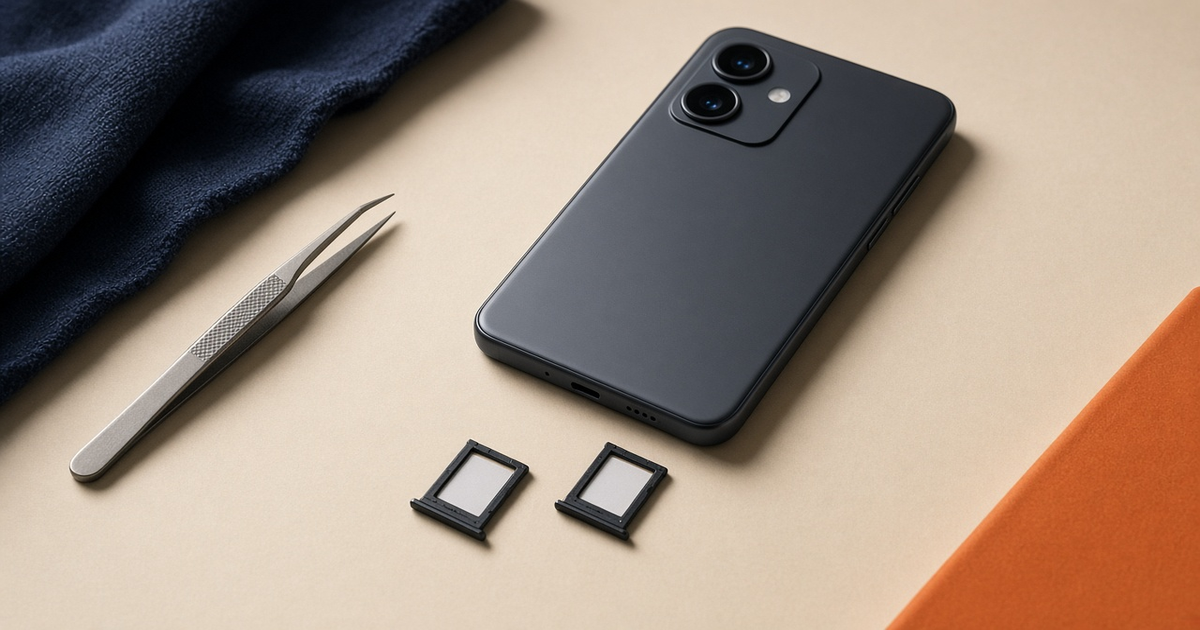
Pick a job per SIM before you enable the feature. Common split: domestic OTP on the postpaid line customers already know; promotional traffic on a prepaid with a separate CLI. Write it down. Photograph the trays. Put the same string in the panel nickname.
Android subscription ids are not holy. After a factory reset or a tray swap, id 1 may be the other operator. Policy is “this MSISDN sends OTP,” not “slot index 1 sends OTP.”
Routing table
| Goal | Dual SIM in one phone | Better as two phones |
|---|---|---|
| Two operator CLIs | Yes, if app sees both slots | Only if OEM hides slot 2 |
| OTP isolated from bulk queue | Partial — still one radio stack | Yes — independent queues |
| Survive a dead battery | No | Yes, if the spare is paired |
| Survive one operator outage | Yes, if you can switch slot | Yes, plus a second chassis |
| Linear throughput | Unlikely; measure | Closer, still carrier-bound |
Reboots lie about slots
The bug report is always “OTP started going out from the marketing number after an update.” The app did what the subscription id said. The tray map moved. Canary both slots after OEM updates, SIM reseats, and backups restored. Keep that in the same runbook as device setup.
Two operators, two bills
Dual SIM does not merge prepaid balances. Slot B at zero looks like “the API failed” if your default route silently fell over. Alert on each SIM’s send failures, not only on pairing. USSD balance checks (Android 8+) are a feature path, not a substitute for a funded tray — see USSD gateway.
How to route without guessing
- Label both MSISDNs. Panel nickname: “OTP-Airtel-slot0” not “Phone.” Photograph the trays.
- Send a canary per slot. Staff handset, confirm CLI (caller ID / sender number) matches the intended SIM.
- Reboot and canary again. If slot 0 became slot 1, update the map before production traffic.
- Pin OTP in application config. Never “whatever default slot.” Default is how campaigns steal the login number.
- Watch prepaid per SIM. Slot 2 empty is a routing bug that looks like an API outage.
- Decide the failover story. If the chassis dies, dual SIM does nothing. Keep a spare phone on Starter+ device caps.
Live send fields, including any slot or subscription parameter the API currently exposes, live in the SMS API documentation. Do not copy a blog’s JSON as the contract.
When to add a second phone instead
Need OTP to survive a campaign storm, a dead USB cable, or an OEM that kills the only process? That is multi-device, not a second tray. Starter allows 2 devices. Pin with deviceIds as in the multi-device API guide.
Cost of two SIMs in one chassis
Service pricing is based on device count and total SMS sent through the gateway. You need a working Android phone with a SIM and SMS credit from your mobile operator. Operator message costs are yours—we do not sell carrier SMS balance. The device meter counts phones, not trays. Two SIMs still mean two operator bills. Free is 300 SMS lifetime on one device — enough to canary both slots, not to run two production classes. Paid from $19/month. Device and SMS volume pricing.
Next steps
Return to multi-device and dual SIM, keep OTP on OTP verification, and do not confuse a second tray with a spare charged handset.
Related product pages
Jump to the live product docs for this topic—not another long-form article.
- multi-device and dual SIM routingCapacity and failover
- device and SMS volume pricingPlans and allowances
- Android SMS gateway product guideDefinition, product, and how to buy
- SMS API documentationLive endpoint reference