Key Takeaways
- android sms gateway sim binding is which subscription transmits — still one device on the plan meter.
- Do not invent undocumented slot JSON fields. Confirm names in Developer Center.
- Android “default SMS SIM” after a reboot is a common bind drift. Re-test OTP.
- Pin authentication to a stable MSISDN. Round-robin codes train filters and confuse users.
- Priced by devices and SMS send volume. You use your own phone and operator SMS credit. Each SIM needs its own operator balance.
- Free is 1 device and 300 SMS lifetime. Dual SIM is not a second license.
What SIM binding actually is
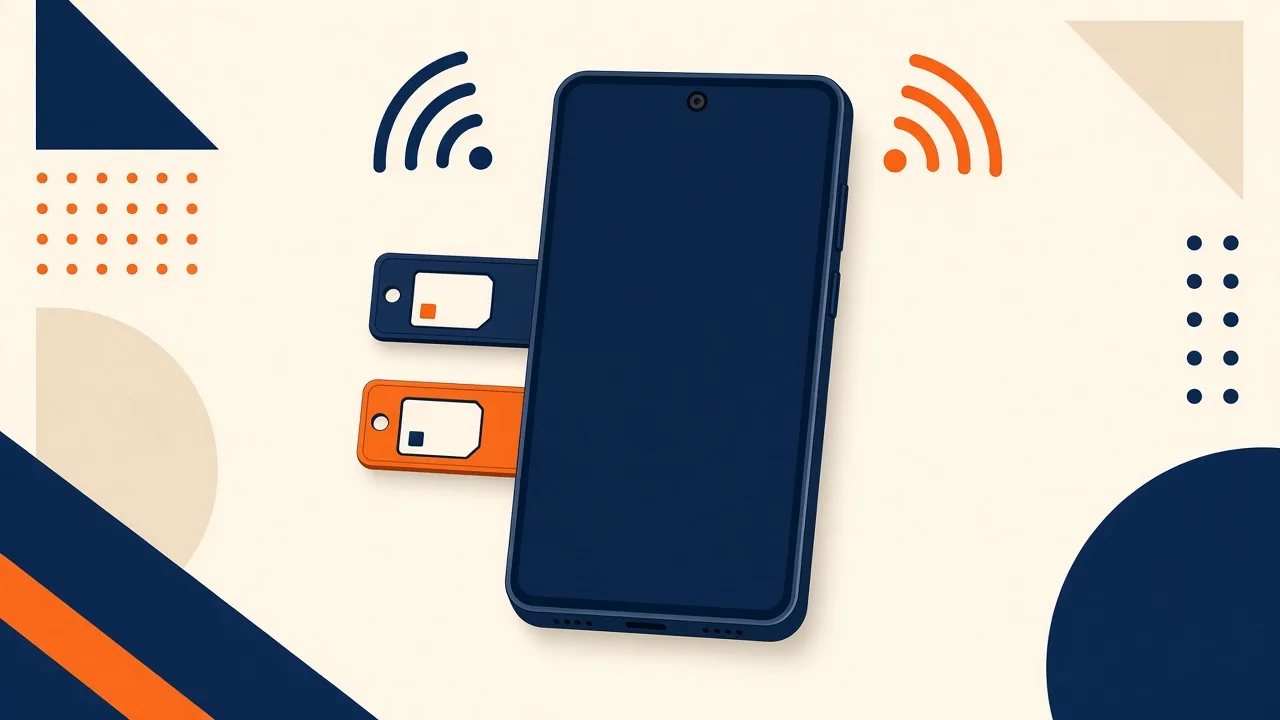
Search intent for android sms gateway sim binding is which subscription leaves the radio — not a second device license. Service pricing is based on device count and total SMS sent through the gateway. Dual SIM is one chassis. Recipients see the MSISDN of the bound slot.
If slot B is “for failover” but Android still defaults to the dry prepaid on slot A, you did not bind anything. You hoped.
Practices: dual-SIM routing. Product: multi-device and dual SIM. Docs: docs.sms-gateway.app.
Slot maps after reboot
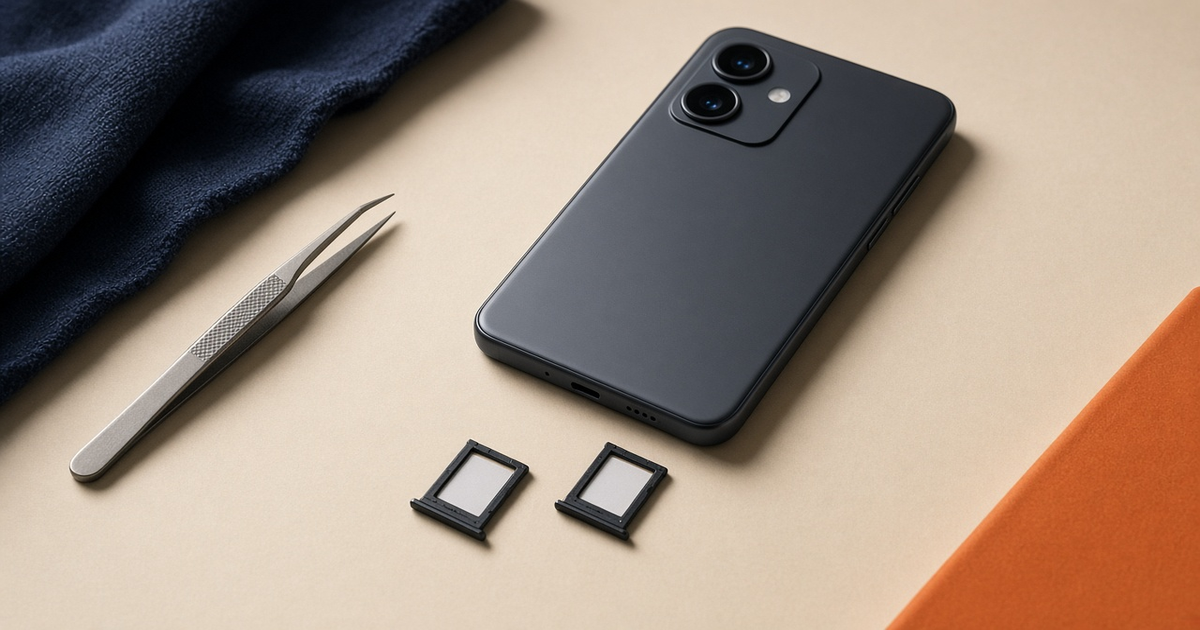
Trays get reseated. OEM updates reset “default SMS SIM.” Pairing can drop — updating without breaking pairing. After every reboot or SIM swap, send a staff OTP and a staff promo canary and read which number arrived.
| Layer | Binds | Typical drift |
|---|---|---|
| Android default SMS SIM | Which tray the OS uses if the app does not pin | Reboot, SIM reseat, OEM “smart SIM” |
| Gateway app slot map | Which subscription the paired app prefers | App update; pairing reset |
| POST deviceIds | Which paired handset gets the job | Omitting the field → account primary |
| Operator wallet | Who can actually transmit | Empty prepaid on the bound slot |
deviceIds vs Android default SIM
deviceIds selects a paired handset. It does not invent a slot index unless Developer Center documents one. Omit it and the account primary sends. Multi-device: multi-device guide. Setup: device setup.
Bind OTP to one MSISDN
Users save one number. STOP and replies follow that MSISDN. OTP verification. Queue isolation: OTP queue troubleshooting. Android telephony background: SubscriptionManager.
Two wallets, one meter
Priced by devices and SMS send volume. You use your own phone and operator SMS credit. Empty prepaid on the bound slot is not failover. Dual SIM does not add a Free-tier device. Starter is 2 phones.
Binding checklist
- Written: OTP slot vs promo slot.
- No invented slot JSON.
- Reboot canary on both MSISDNs.
- Both wallets funded.
- Staff OTP after OEM updates.
Next steps
Bind, reboot, canary, document the MSISDNs. Pricing. App: downloads.
Related product pages
Jump to the live product docs for this topic—not another long-form article.
- device and SMS volume pricingPlans and allowances
- Android SMS gateway product guideDefinition, product, and how to buy
- SMS API documentationLive endpoint reference
- download the Android gateway appGet the APK