Key Takeaways
- Android SMS gateway API scenario 94 is NGO USSD as a last-mile airtime gate before an SMS wave — not the convoy paper-menu case from scenario 34.
- A worker should refuse the community blast if the USSD balance check times out or returns a barred SIM.
- Priced by devices and SMS send volume. You use your own phone and operator SMS credit.
- Free is 300 SMS lifetime, 300 contacts, 1 device.
- Fundraising lists never ride the USSD-gate phone.
- Developer Center owns live SMS fields; USSD menus stay carrier-specific.
Summary
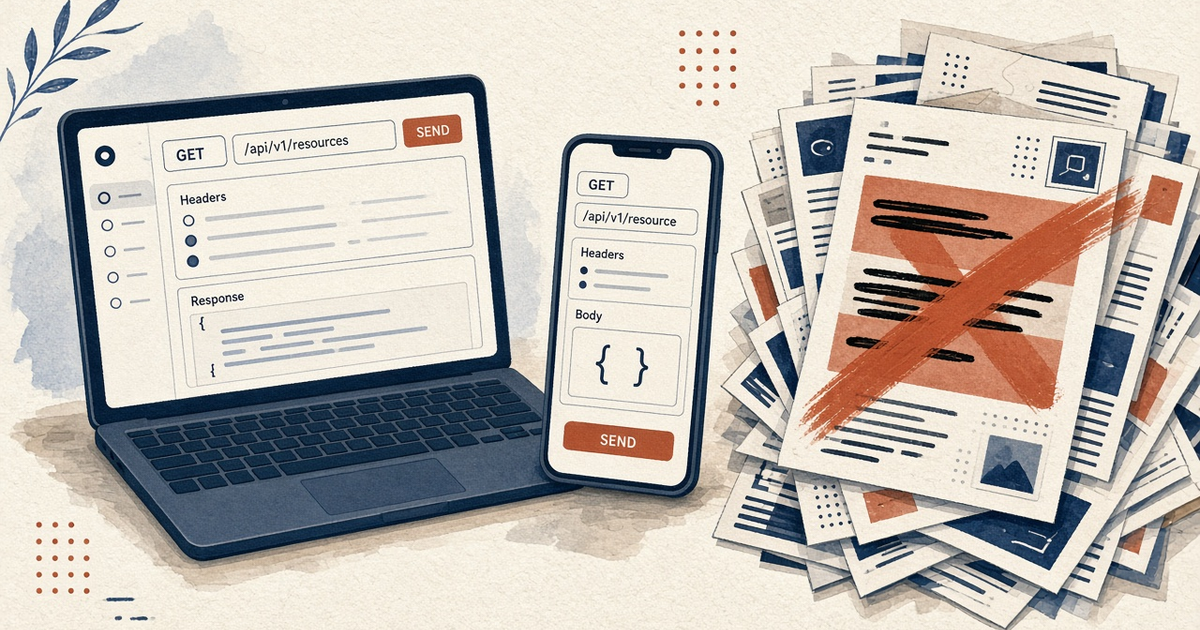
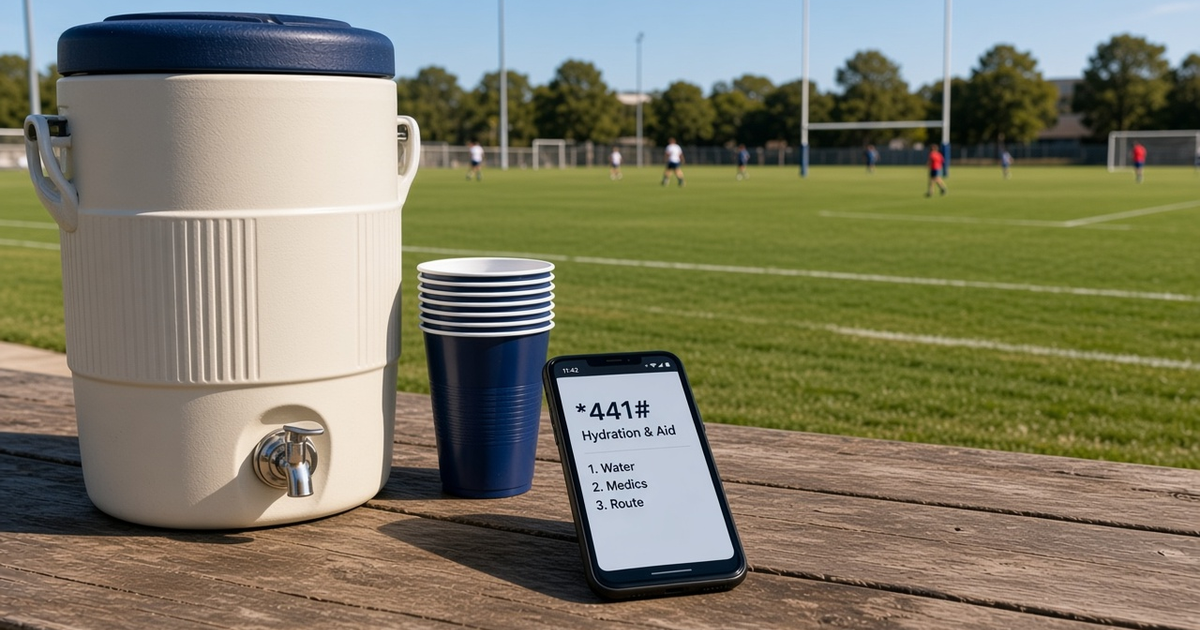
Android SMS gateway API scenario 94 is NGOs using USSD as a pre-flight for an SMS wave: the worker asks the carrier menu whether the SIM can still send, then — only then — POSTs community messages. Service pricing is based on device count and total SMS sent through the gateway. You need a working Android phone with a SIM and SMS credit from your mobile operator. Operator message costs are yours—we do not sell carrier SMS balance.
Starting a 12,000-number wave on a barred prepaid SIM is not “API scale.” It is a USSD check you skipped and an airtime bill you will not get back.
Scenario 34 was a field officer with a laminated menu. This article stays on the API worker, hold-the-wave behavior, and HQ override.
Key takeaways
- Android SMS gateway API scenario 94 is NGO USSD as a last-mile airtime gate before an SMS wave — not the convoy paper-menu case from scenario 34.
- A worker should refuse the community blast if the USSD balance check times out or returns a barred SIM.
- Priced by devices and SMS send volume. You use your own phone and operator SMS credit.
- Free is 300 SMS lifetime, 300 contacts, 1 device.
- Fundraising lists never ride the USSD-gate phone.
- Developer Center owns live SMS fields; USSD menus stay carrier-specific.
Related reading
Android SMS Gateway API, USSD gateway, consent-minded bulk SMS, USSD overview.
Last-mile airtime context
HQ often triggers SMS from a dashboard. The SIM still lives in-country. USSD is the cheapest truth about prepaid bars and bundle exhaustion before you spend a wave.
Cross-link hub cornerstones. Confirm SMS request shapes in Developer Center.
API-gated USSD before SMS
Sequence: USSD health on the send SIM → parse success/bar/timeout → hold or release the wave. Do not enqueue community SMS on a SIM that is mid-menu.
Log result codes, not full account screens. Timeouts need backoff and a human override with a reason.
Write acceptance criteria before a distribution SMS: gate must pass, fundraising excluded, language pack reviewed, spare charged.
Gate vs send
| Step | Channel | Note |
|---|---|---|
| Balance / bar check | USSD on send SIM | Timeout = hold the wave |
| Staff OTP | SMS OTP pool | Never the blast SIM |
| Community wave | SMS after gate | Consent + language pack |
| Appeal | Marketing pool | STOP; other list |
Cost and ownership
Priced by devices and SMS send volume. You use your own phone and operator SMS credit. A failed wave still burns the sends that leaked before the hold. USSD itself can consume bundle. Neither is a prepaid pack we sold.
Assign who tops up before HQ clicks send. Do not discover a bar mid-wave.
Free 300 lifetime SMS is a lab. Starter, Professional, and Business list Unlimited SMS as platform send volume; that is not unmetered carrier SMS.
Operations
Pre-wave: pairing, battery, USSD canary, hold switch tested, DLR watcher on.
After carrier menu changes, re-walk the USSD tree before trusting the parser.
Name an in-country owner who can reach the handset when HQ is asleep.
Security and compliance
Protect API keys per environment. Beneficiary lists are sensitive. Never log full USSD screens into HQ Slack.
STOP applies to appeals. Never auto-reply into staff OTP or USSD sessions.
Verify webhook signatures on SMS status paths.
Decision guide
Ship android sms gateway API scenario 94 when the worker can hold a wave on USSD failure. Delay if HQ can bypass the gate with one checkbox and no reason.
If zero phone ops is mandatory, evaluate CPaaS for SMS and keep USSD as a human check.
Checklist
- USSD gate blocks enqueue on timeout/bar.
- Override requires a named human + reason.
- Fundraising off the send SIM.
- Spare charged and paired.
- Menu parser re-tested after carrier changes.
- Developer Center checked for SMS fields.
- Airtime includes a failed-wave remnant.
- In-country on-call named.
Next steps
Return to API guide, compare device and SMS volume pricing, open device setup guide, and confirm APIs in SMS API documentation.
Deep dive: production hardening
API-gated USSD is a release ritual. If HQ can “just send” past a red gate, you will skip it under deadline — write the override log.
Battery exemptions and OEM killers still win overnight between HQ schedule and local morning.
Spare charged devices beat brochure SLAs. Airtime surprise bills happen when waves ignore radio pace.
Never claim unlimited free cloud SMS credits with no device or volume meter. Name an on-call owner before unattended waves go live.
Canary on staff numbers before community OTP. Cross-link Setup, Pricing, and Developer Center.
Document who owns SIM top-ups for multi-country programs. Webhook signature verification is non-negotiable.
Prefer honest latency over global SLA claims. If zero phone ops is mandatory, evaluate CPaaS for SMS.
OTP and marketing must stay on separate lanes. Contact lists need consent metadata stored with the number.
Dual-SIM routing fails when slot maps drift after reboot. Multi-device failover only helps if spare phones stay charged and paired.
Scheduled waves must survive device sleep; they still must pass the USSD gate at fire time, not at schedule time.
Deep dive: scaling and failure modes
Scale countries by local SIMs and gates, not by implying we sold carrier packs.
Distribution days are queue events. Pause appeals when the operational wave is held.
Retry storms burn credit and trust. Cap alert resends in the program tool.
Roaming SIMs break USSD more often than SMS. Plan a local prepaid swap before the gate.
Do not load-test against beneficiary lists. Use staff cohorts.
Raise OEM/Android SMS rate ceilings carefully. Carrier fair-use still applies.
Measure gate-pass rate separately from SMS DLR.
A second ops phone is cheaper than a silent wave that never should have started.
Watch prepaid during two-way keyword programs. Inbound is another ownership surface.
Document the gate runbook where HQ and field leads can both find it. If only one contractor knows the pairing PIN, you do not have a program.
Deep dive: integration discipline
Hold the Bearer in the NGO worker, never in a volunteer notes app. Idempotent wave IDs prevent duplicate community SMS if the gate is retried.
Store gateway message IDs on the outreach row. HQ should answer “did it send?” without calling the officer.
Confirm live SMS parameters in Developer Center. USSD is not that contract.
Prefer feature flags. Enable gated waves for one district first.
Keep examples conceptual until Developer Center confirms live request shapes. Budget airtime for retries.
Radio reality still wins. Cross-link hub cornerstones instead of rewriting the product overview.
Isolate OTP from promotional appeals. Verify webhooks before community traffic.
Scenario success needs owners for phones, SIMs, templates, and on-call. That is android sms gateway API scenario 94.
Related product pages
Jump to the live product docs for this topic—not another long-form article.
- USSD balance and menu automationOperator USSD codes
- SMS API documentationLive endpoint reference
- device and SMS volume pricingPlans and allowances
- Android SMS gateway product guideDefinition, product, and how to buy