Key Takeaways
- An Android SMS gateway for real estate does not change telecom or marketing law. You still need a lawful basis for promotional listing texts, and counsel — not a blog — owns the last word in your jurisdiction.
- Split devices: login/portal OTP on a quiet SIM; viewing reminders on a known office number; cold prospecting only with recorded consent.
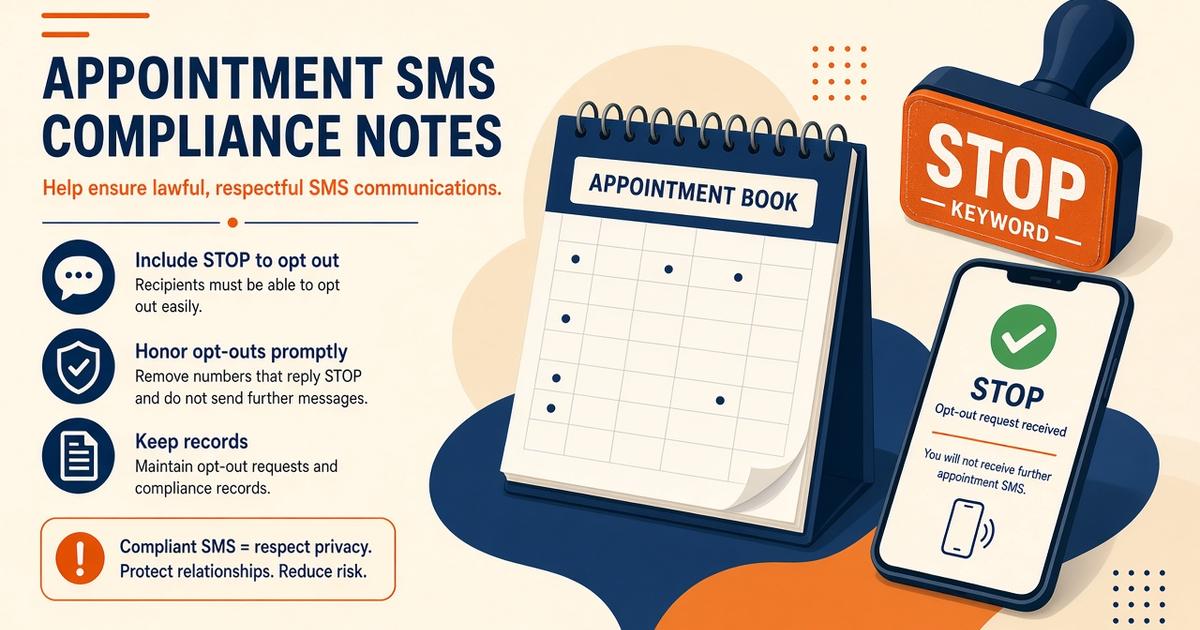
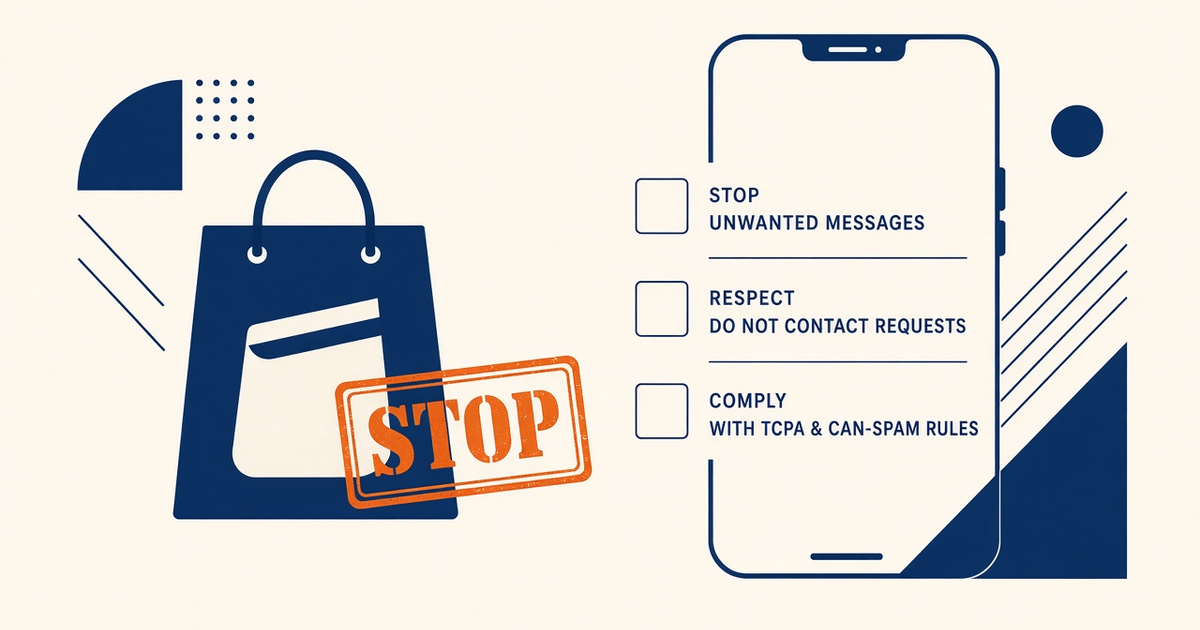
- STOP belongs on promotional lanes. Do not auto-reply campaign keywords into a lockbox or 2FA thread.
- Recipients see your real mobile number. That is an advantage for viewings and a liability if you blast a purchased list from it.
- Priced by devices and SMS send volume. You use your own phone and operator SMS credit. Retries on a “hot lead” still spend operator credit.
- Keep consent timestamps and suppression in the CRM. The phone is transport.
Search android sms gateway for real estate compliance notes when an agency already sends viewing reminders from a mobile and is about to “just upload the old Excel.” The radio does not care that you are an estate agent. Operators and complainants do. These notes sit beside the product, not instead of a lawyer.
Pair with auto-reply and STOP, STOP how-to, and OTP. Priced by devices and SMS send volume. You use your own phone and operator SMS credit.
A viewing reminder to someone who booked today is a different animal from a Saturday blast of “new on the market” to a scraped list. If your architecture cannot tell those two apart, you do not have a compliance problem yet — you have a design problem.
What these notes are (and are not)
This is operational hygiene for a SIM gateway: lanes, records, STOP, which number clients see. It is not legal advice, not a TCPA/PECR/CASL digest, and not a promise that a consumer SIM is a licensed A2P route. US industry context still tracks CTIA messaging principles when you send promotional volume: identify yourself, honor opt-out. Your local statute may be stricter. Ask counsel before the first purchased list.
Three lanes: OTP, transactional, prospecting
Draw them on the closet door. Mixing them on one SIM is how a “hot leads” campaign delays landlord portal login and how filters learn the office MSISDN.
- OTP / staff login: short, no listing copy, dedicated quiet device.
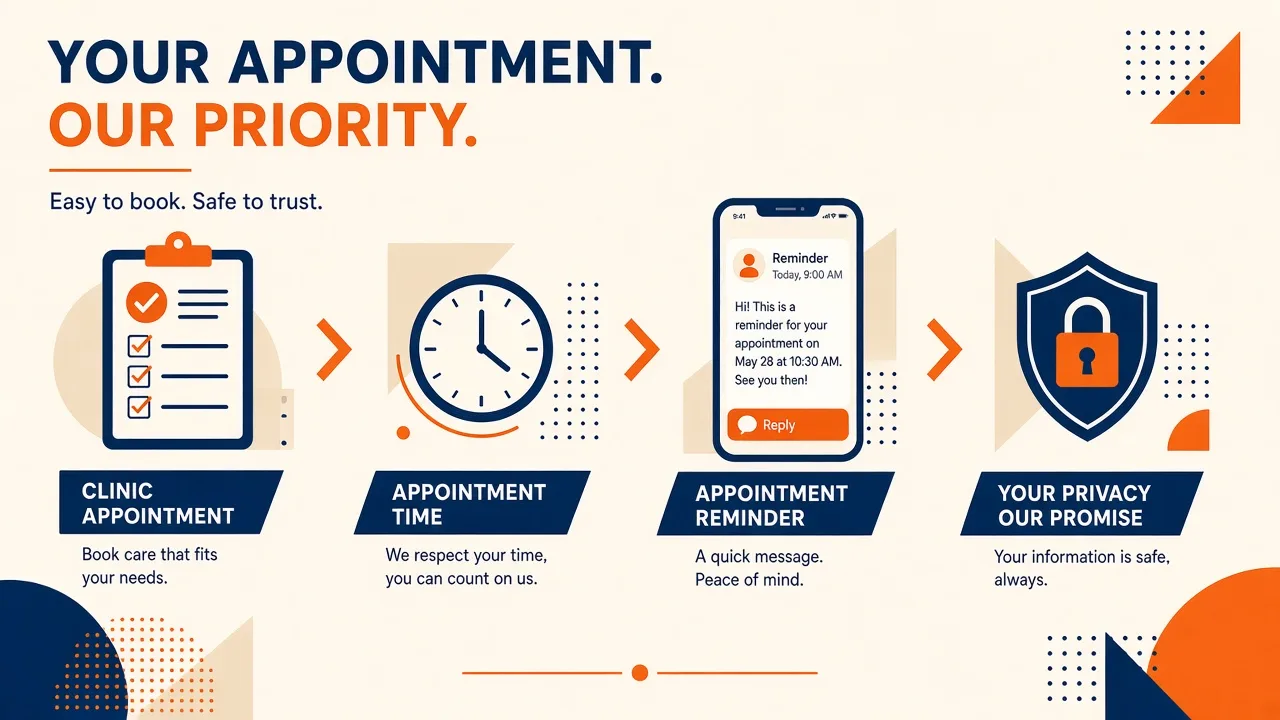
- Transactional: viewing confirmed, time changed, keys collected — the person already has a live job with you.
- Prospecting / listing alerts: consent recorded, STOP, pace, quiet hours. This is the lane that gets agencies in trouble.
Consent table by message type
| Message | Typical basis (you still confirm with counsel) | STOP on this SIM? | Device pool |
|---|---|---|---|
| Portal / CRM login code | User-initiated auth | No campaign keywords | OTP primary + spare |
| Viewing time they booked | Performance of that booking | Optional HELP; not a blast | Office transactional |
| “New listing like your search” | Marketing consent | Yes, durable suppression | Promo, isolated |
| Purchased “investors in district X” | Usually none you should rely on | Do not send | — |
| Open-house crowd who wrote their number on a clipboard | Narrow, purpose-limited; do not recycle forever | Yes if you follow up with offers | Promo |
If the CRM cannot export a consent timestamp, the promotional job should refuse to run. The API will happily send a dirty sheet. See bulk CSV API usage.
STOP on listings, silence on lockboxes
Wire device + backend suppression for the promo pool. Confirmation SMS should be one line, not a new brochure. OTP SIMs stay silent on STOP except insofar as you log it. Implementation: STOP API usage.
Which MSISDN the client should see
Recipients see the SIM. That is why agencies like a handset gateway: the client can call back. It is also why you must not burn that number with a weekend blast. Use a number the office actually answers during viewing hours. Do not rotate weekly to “dodge filters” — that looks like evasion and still hits the next SIM.
What to keep besides the SMS body
- Consent source and time (portal tick, signed form, inbound YES).
- Template version and campaign id.
- Gateway message id + DLR sample, not full OTP in tickets.
- STOP time and which list it applied to.
Retention should match your privacy policy, not “keep forever in WhatsApp.” Related: log retention.
Portals, CRMs, and the radio
Rightmove/Zillow/local portal webhooks into your backend, then HTTPS to the gateway. The portal is not the SMSC. If the CRM retries a viewing reminder ten times, you will look like a spammer to one client. Idempotency keys belong in your worker. Developer Center owns live fields.
Cost of a burned listing number
Priced by devices and SMS send volume. You use your own phone and operator SMS credit. Replacing a well-known office MSISDN is more expensive than a second promo phone. Free-tier 300 SMS is for canaries, not a district-wide “just listed” file. Quiet hours and one-segment templates save airtime and complaints together.
Checklist
- OTP, transactional, and listing-promo SIMs labeled in the closet.
- Consent flag required on promotional CSV/API jobs.
- STOP writes a CRM suppression row, not only a phone keyword.
- Office number is answered; promo number is not used for 2FA.
- Purchased lists blocked until counsel says otherwise.
- Templates counted in segments; no emoji on OTP.
- Runbook names who owns airtime and who owns the list.
- Staff canary before any weekend blast.
- No OTP bodies in screenshots.
- Local statute reviewed with counsel — this page is not that review.
Next steps
Keep the agent online via the app guide, size radios on pricing, and treat listing SMS as marketing until proven otherwise. The house is the product. The number is the reputation.
Related product pages
Jump to the live product docs for this topic—not another long-form article.
- SMS API documentationLive endpoint reference
- device and SMS volume pricingPlans and allowances
- Security and Trust CenterCompliance and posture
- Android SMS gateway product guideDefinition, product, and how to buy