Key Takeaways
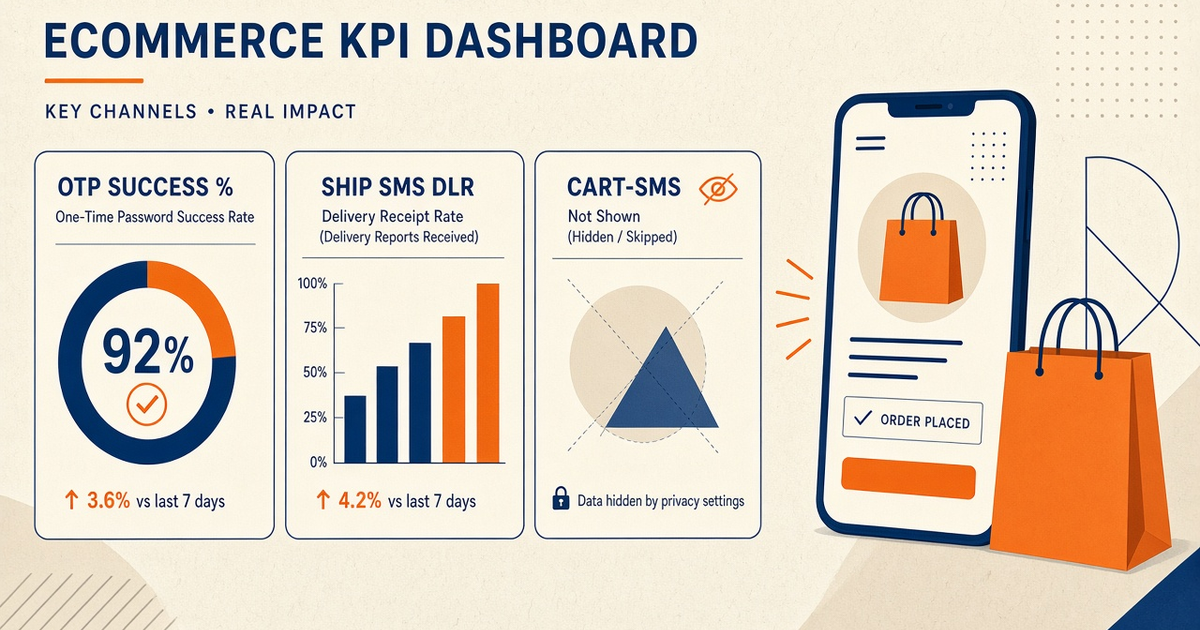
- Measure no-show rate, reminder DLR, and last-seen — not “SMS sent” from HTTP accept.
- Appointment SMS is two-way: confirms and cancels need the same MSISDN to be awake.
- Isolate clinic OTP (portal login) from reminder blasts on separate device pools.
- Consent and STOP still apply. A reminder lane is not a loophole.
- Spare charged phones beat brochure SLAs the morning of a full book.
- Vertical needs do not change BYO phone and operator credit. We meter devices and send volume.
Summary
Appointment businesses should not measure an Android SMS gateway like a billboard. The job is kept visits. Useful KPIs are no-show versus a quiet baseline, reminder DLR (or confirm replies), Pending age before the slot, and whether the reminder phone stayed online overnight. “Messages sent” from an HTTP accept will make a sleeping SIM look successful.
Vertical needs do not change the model: you bring the Android phone and operator credit. We meter devices and send volume. Confirm local rules with counsel — especially health, legal, and financial appointment reminders.
A 6% no-show drop means nothing if last-seen was stale and half the book never got the text.
What to measure
Search intent for android sms gateway for appointment businesses is often cost versus Twilio plus “will reminders actually land.” Keep both. Compare aggregator per-message plus rented numbers against own SIM + operator cost + device/volume service fee — Twilio SMS docs for the other shape, not as a copy source.
Two-way confirms belong on the same MSISDN. If the phone is Doze-killed, “C” for confirm never reaches you. Pair that KPI with last-seen.
Context
Clinics, salons, tutors, field calendars — same radio. Offline phones and OEM killers break the morning list. Cross-link OTP (patient portal) away from reminder blasts. Lists live on contacts and lists; consent language on bulk SMS with consent. Geo nuance for US traffic: SMS gateway for the USA.
Live send fields stay in SMS API documentation.
A KPI set that matches the radio
- Pick a two-week baseline with reminders off (or email-only) if ethics and booking allow.
- Turn on T-24h and T-2h SMS on a dedicated reminder device.
- Track no-show %, cancel-via-SMS %, DLR or unknown-after-timeout, last-seen gaps, airtime per kept visit.
- Stop the experiment if last-seen is stale — you are measuring a dead phone.
Schedule the T-24h in the clinic’s timezone, not UTC by accident — scheduled SMS is a product feature, not a cron guess.
Metric table
| KPI | Good signal | False friend |
|---|---|---|
| No-show rate | Drop vs baseline on the same book mix | Seasonal mix change, not SMS |
| Reminder DLR | High delivered before the slot | Accept counted as delivered |
| Confirm/cancel replies | Inbound on the same MSISDN | Phone asleep; replies unseen |
| Pending age | Queue empty before T-2h | Still sending during the appointment |
| Last-seen | Fresh through the night | Green at 18:00, dead at 07:00 |
| Operator cost / kept visit | Airtime + retries / shows | Ignoring failed loops |
Cost per kept appointment
Model devices + platform volume + operator SMS. A reminder plus a confirm ACK is two airtime hits. Retries from a noisy client make it four. See device and SMS volume pricing. We do not refund operator airtime.
Free 300 lifetime SMS is for proving the path, not a clinic’s monthly book.
Operations
Charge the reminder phone on a labeled cable. Re-verify OEM exemptions after updates. Keep a spare charged device for Monday mornings. Name on-call who can fail over before the first slot.
Consent and privacy
Appointment bodies leak schedules. Minimize what you put in SMS. STOP still applies on promotional add-ons (“book a facial”). Health-adjacent content needs counsel. Redact in tickets. Do not log OTP from the portal on the same stream.
When the numbers lie
Discard a KPI week if last-seen gaps cover the reminder window. Delay SMS cutover if you cannot isolate OTP. If the business cannot staff a handset, measure a CPaaS lane instead of faking SIM reliability.
Checklist
- Baseline no-show captured.
- Reminder device ≠ OTP device.
- T-24h / T-2h in local timezone.
- DLR or documented unknown timeout.
- Inbound confirms read while the phone is awake.
- Last-seen alert overnight.
- Airtime / kept-visit spreadsheet includes retries.
- STOP on any promo add-on.
- Spare phone labeled.
- Counsel reviewed for the vertical.
Next steps
Pair from setup, schedule via scheduled SMS, and keep two-way on two-way inbox.
Deep dive: production hardening
Seasonal spikes (exam week, holiday grooming) need a re-baseline. Do not compare December no-shows to February without saying so. After a SIM swap, canary the reminder template before tomorrow’s book.
Templates should name the business and the time. Vague “see you tomorrow” KPIs collapse when customers have two bookings.
Deep dive: scaling and failure modes
Multi-location clinics: one device per site or honest routing. A central phone in another timezone will miss local T-2h. Failures: OEM sleep, UTF-8 names exploding segments, STOP not joined on recall campaigns, OTP mixed into the 08:00 blast.
Starter, Professional, and Business list Unlimited SMS as platform send volume; that is not unmetered carrier SMS. Carrier fair-use and plan device caps remain.
Deep dive: integration discipline
Persist gateway message ids on the appointment record. When a customer says they never got a text, search that id. Webhook confirms should be replay-safe. Developer Center owns live fields.
You bring the Android phone and operator SMS credit.
Related product pages
Jump to the live product docs for this topic—not another long-form article.
- SMS API documentationLive endpoint reference
- device and SMS volume pricingPlans and allowances
- Android SMS gateway product guideDefinition, product, and how to buy
- download the Android gateway appGet the APK