Key Takeaways
- Auto-reply fires from the Android device while it is online. It is not a cloud chatbot that survives a dead battery.
- STOP (and local equivalents) must land on a list you honor. The gateway records the inbound; your campaigns must not keep sending.
- Keep OTP and promotional keywords on different SIMs. A STOP on a login number is a policy problem, not a clever filter.
- Inbound replies use the same MSISDN customers already have. That is the point — and why a noisy auto-reply can look like spam.
- You bring the phone and operator credit. Auto-replies are SMS too: they meter volume and burn airtime.
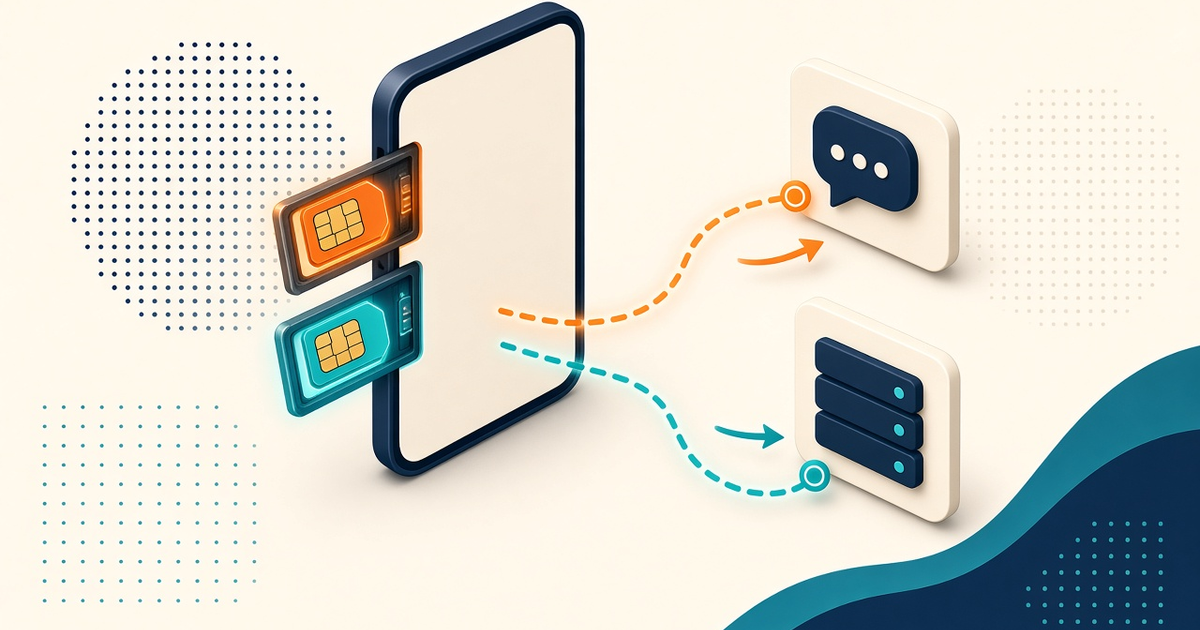
android sms gateway auto reply is one of those features that sounds like a SaaS inbox and is actually a phone. Someone texts your SIM. The Android app notices a keyword. If the device is alive, it can answer and — for STOP — mark that number so you stop bothering them.
This is the overview, not the setup wizard. The matching product page is auto-reply and STOP. Two-way context lives on two-way SMS. Pricing is still devices plus send volume; you supply airtime.
Device online · keyword match · one outbound SMS
What auto-reply and STOP actually do
Two jobs share a screen in most operators’ heads. Keep them distinct:
- Auto-reply — inbound body matches a keyword (HOURS, MENU, JOIN). The phone sends a fixed reply. Useful for restaurants, clinics, and field teams that already publish a short code-style MSISDN.
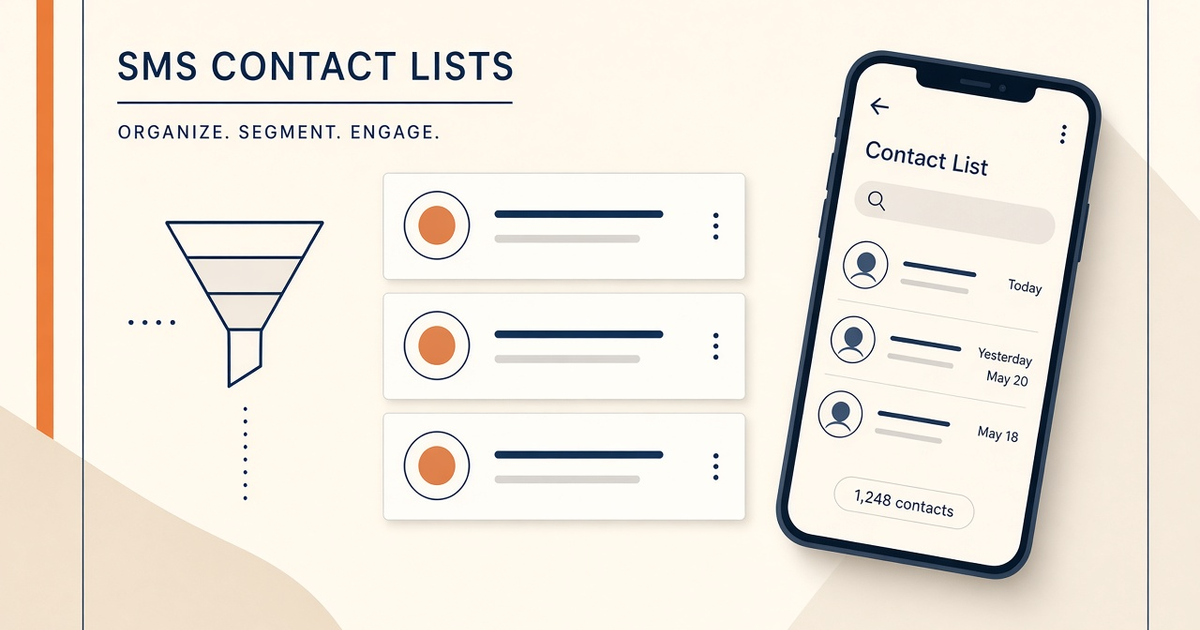
- STOP / opt-out — inbound is an unsubscribe. You record the number on a blacklist you actually use. Optionally send one confirmation SMS. Then promotional traffic must not include them.
The inbound event can also hit a webhook so your CRM updates. Signature verification belongs in your backend; see the API guide and live fields in the Developer Center.
A STOP that only lives in a screenshot is not compliance. If the next CSV import still contains that MSISDN, the feature did not fail — the process did.
When this feature is the right tool
Use device auto-reply when the number on the SIM is the public number, volume is human-scale, and a 40-word answer is enough. Do not use it as a replacement for a support desk, a chatbot platform, or a guaranteed after-hours SLA. Latency follows radio + online device. If the handset is in a drawer, customers wait.
CTIA and similar industry groups treat STOP as table stakes for A2P-style programs. Read messaging best practices for the spirit of the rule; your counsel owns the letter in each country.
Keyword map
Keep the list short. Clever aliases (“don’t text me”, “unsubscribe please”) are good. Overlapping keywords that fire two replies are how you double-bill airtime and annoy people.
| Keyword | Intent | Typical reply | Side effect |
|---|---|---|---|
| STOP, STOPALL, UNSUBSCRIBE | Opt out of campaigns | Short confirmation, no upsell | Blacklist; strip from CSV/lists |
| START, YES, UNSTOP | Opt back in (if you allow it) | Confirm + what they signed up for | Only if your policy allows re-consent |
| HELP, INFO | Who is texting / how to opt out | Brand, purpose, STOP instruction | Do not attach a marketing PDF link |
| HOURS, MENU, STATUS | Business FAQ | One SMS, GSM-7 if you can | Update copy when hours change |
Match case-insensitively, trim whitespace, and decide what happens with “STOP please” vs exact “STOP”. Document it. Support will ask.
The phone has to be awake
Auto-reply is not a cloud worker. If OEM battery savers killed the app, keywords do nothing. Treat this like any other gateway duty: charger, exemption from optimization, pairing health. The app guide is the uptime twin of this feature.
Do not auto-reply to login codes
OTP traffic should not share a promotional keyword set. If a user replies STOP to a login SMS, record it for marketing lists and leave authentication policy to a human. Auto-acking “you have been unsubscribed from 2FA” is how you lock people out of their accounts. Isolate pools — see OTP verification.
Consent is still yours
The gateway is transport. It will send the reply you configured. It will not prove you had consent to text them in the first place. Keep acquisition source next to the MSISDN. Honor STOP on every campaign tool that can reach that SIM — panel, CSV, API. One leak undoes the feature.
Limits and failure modes
- Each auto-reply is an SMS: platform volume + operator credit.
- Loops: if two phones auto-reply to each other, you will notice on the prepaid balance first.
- Unicode HELP text can split into two SMS. Keep confirmations one GSM-7 segment.
- Inbound without DLR on the confirmation still happened — check the inbox, not only the dashboard.
- Shared SIMs across brands: STOP must name which program, or you will opt them out of everything.
Next steps
Write three keywords, canary them to a staff phone, and confirm the blacklist actually blocks the next CSV. Install the app, keep the device online, and read the setup article when you are ready to click through the panel. Free allowance is 300 SMS lifetime — enough to prove STOP without inventing a traffic plan.
Related product pages
Jump to the live product docs for this topic—not another long-form article.
- two-way SMS inboxReplies on your SIM
- SMS auto-reply and STOP keywordsOpt-out and keywords
- SMS API documentationLive endpoint reference
- device and SMS volume pricingPlans and allowances